Our Approach
Our Approach — Pathways to Learning and Transformation

Our Approach — Pathways to Learning and Transformation
Discover how ABM® NeuroMovement® can help you or your loved one
At Connections in Motion, we offer three complementary ways to experience ABM® NeuroMovement® — each designed to activate the brain’s natural capacity for learning, adaptation, and growth.
Whether you are a parent exploring new possibilities for your child or an adult looking to restore movement, balance, or focus, these services provide different ways to engage with the same underlying principles of neuroplastic learning.
All sessions are grounded in the 9 Essentials — the key conditions that spark positive brain change — and are delivered by experienced practitioners in a calm, supportive environment.
Our Approach — Pathways to Learning and Transformation
Discover how ABM® NeuroMovement® can help you or your loved one
At Connections in Motion, we offer three complementary ways to experience ABM® NeuroMovement® — each designed to activate the brain’s natural capacity for learning, adaptation, and growth.
Whether you are a parent exploring new possibilities for your child or an adult looking to restore movement, balance, or focus, these services provide different ways to engage with the same underlying principles of neuroplastic learning.
All sessions are grounded in the 9 Essentials — the key conditions that spark positive brain change — and are delivered by experienced practitioners in a calm, supportive environment.
Hands-On — Lessons
Gentle, individualised sessions that help the brain perceive differences and create new patterns of movement and thought.
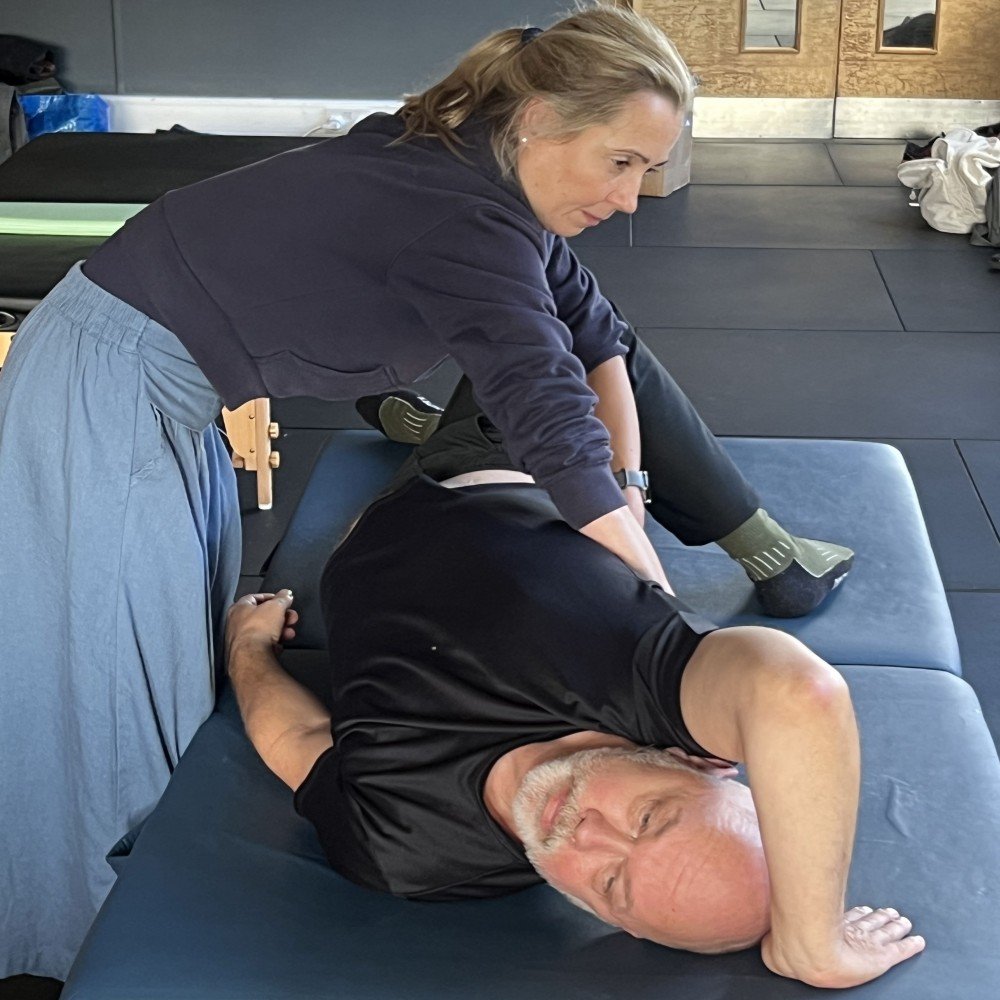
Hands-on one-on-one ABM® NeuroMovement® lessons offer the most direct way to experience this work. Each session is tailored to the individual and provides a powerful opportunity for the brain to reorganise itself and discover new possibilities. We do not follow a protocol and are lead by the individual there and then.
Lessons generally take place on a low padded table (though they may also be done sitting or standing) and last up to 45 minutes.
Through subtle touch and movement, the practitioner communicates directly with the brain — helping it sense, differentiate, and improve its organisation.
Hands-On — Lessons
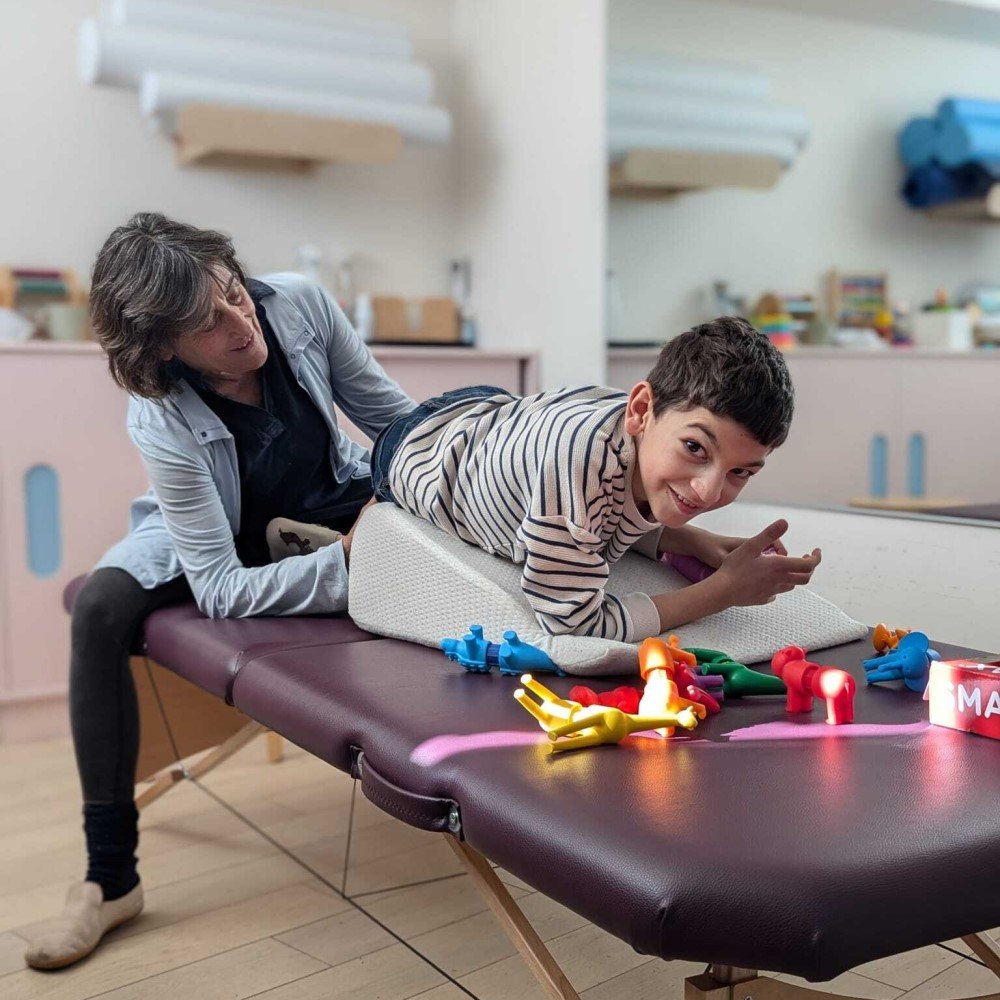
The process is non-invasive and never forced. The practitioner meets the person where they are, guiding them toward ease, curiosity, and greater self-awareness.
At our Centre, we host international practitioners from across the world. Working with a variety of practitioners enriches the learning process, as each brings a unique way of feeling and sensing movement, allowing the brain to encounter new possibilities.
Enquire about hands-on lessons
What to Expect
What to Expect
During a hands-on lesson, movement happens in a quiet, focused environment.
The practitioner’s touch is gentle yet precise, offering information to the nervous system that helps it self-organise.
Clients may feel relaxed, alert, or occasionally sleepy — all signs that the brain is deeply engaged in learning. It’s common to feel hungry or tired after lessons, as the nervous system integrates change.
We recommend wearing comfortable clothing that allows free movement and allowing time afterward each lesson to rest. Avoid scheduling other therapies immediately after sessions to give the learning space to settle.
How Many Lessons Should I Book?
To optimise learning, we recommend lessons in condensed blocks known as intensives — ideally 6-10 lessons over 3-5 consecutive days (2 per day).
This format, developed at Anat Baniel’s ABM® NeuroMovement® Centre in San Rafael, California, allows the brain to enter a heightened state of learning. We understand this may not always be possible and are happy to tailor intensives to your needs.
Online Coaching

Online Coaching
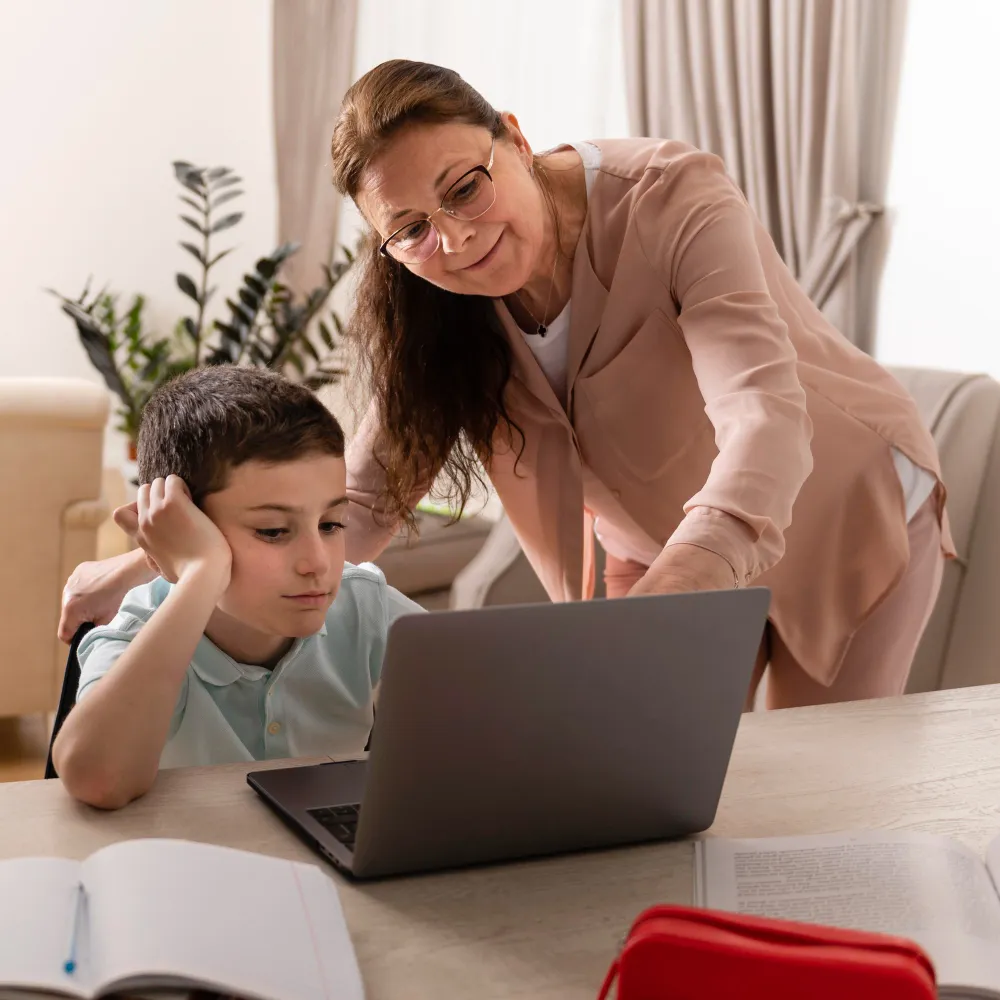
Online Coaching sessions focus on the caregiver or parent rather than the child or adult receiving lessons. Held via Zoom, these sessions allow the practitioner to observe your natural interactions and guide small adjustments that support learning — such as slowing down, pausing, or shifting tone and timing.
Even subtle changes in awareness can transform how you connect and communicate.
These sessions help families move from “fixing” to “connecting”, bringing the principles of ABM® NeuroMovement® into everyday routines and relationships. Online Coaching combined with Hands on lessons can really accelerate the learning process and improve outcomes
What to Expect
Online sessions take place in your own environment — no special setup is required beyond a stable camera and a quiet space. You’ll be guided to notice your own movement, tone, and attention as you interact with your child or loved one.
Many caregivers describe these sessions as eye-opening and empowering, as they begin to see how their own state of awareness shapes the other person’s learning.
Online coaching is also ideal for families who cannot currently travel or access a practitioner in person.
What to Expect
How Many Lessons Should I Book?
We recommend beginning with four lessons within a seven-day period, allowing space for reflection between sessions.
As with hands-on work, the rhythm can be adjusted to fit each family’s circumstances.
Movement Lessons (TMLs)

Movement Lessons (TMLs)
Transformational Movement Lessons, or TMLs, invite participants to learn through guided movement and awareness.
Lessons may be done lying, sitting, or standing — either in person or online — and can be experienced individually or in a group.
By slowing down and exploring variations in movement, the brain begins to perceive new differences and reorganise itself.
There’s no stretching or “doing it right” — the focus is on how you move, not how much.
What to Expect
TMLs are quiet, reflective sessions that invite curiosity rather than effort.
You’ll be guided through sequences of gentle movements that engage your attention and sense of self. Even imagining a movement can stimulate new neural pathways.
Participants often report pain relief, improved balance, greater calm, and a clearer sense of how they move. For parents, TMLs are also a powerful way to understand what their child experiences during hands-on work.
Wear loose, comfortable clothing and bring water.
How Many Lessons Should I Book?
TMLs can be taken individually or as part of a short programme.
We often recommend 4–6 sessions to allow the brain time to explore, integrate, and refine new patterns.
Why All Three Approaches Work Together
Why All Three Approaches Work Together
Each of these services engages the same underlying principles of neuroplastic learning from a different angle:
- Hands-On Lessons communicate directly with the brain through touch and movement.
- Online Coaching empowers caregivers to integrate the Nine Essentials into everyday life.
- Transformational Movement Lessons help adults and parents embody the process for themselves.
Together, they create a complete ecosystem for growth — one that nurtures awareness, confidence, and real change.