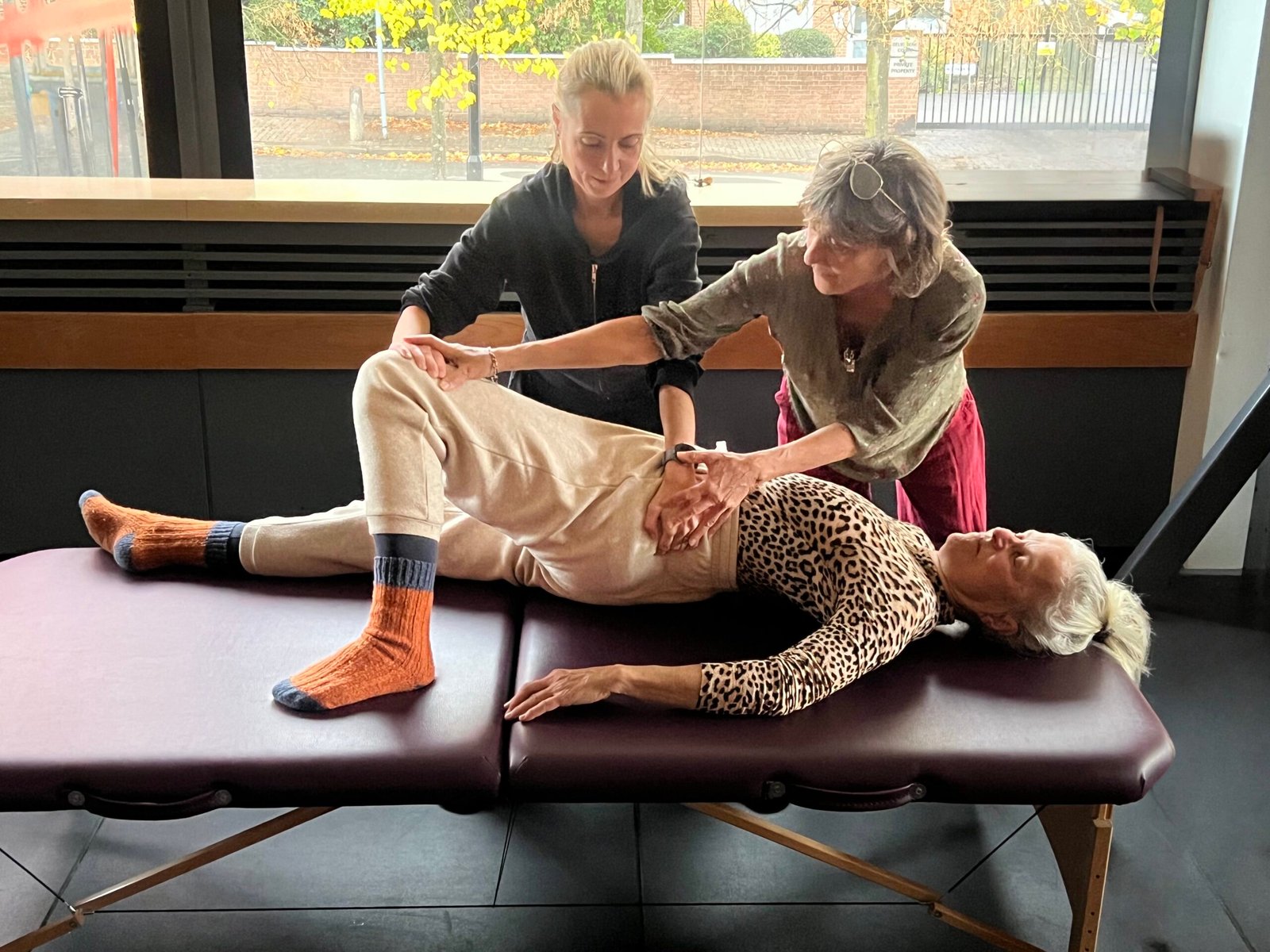
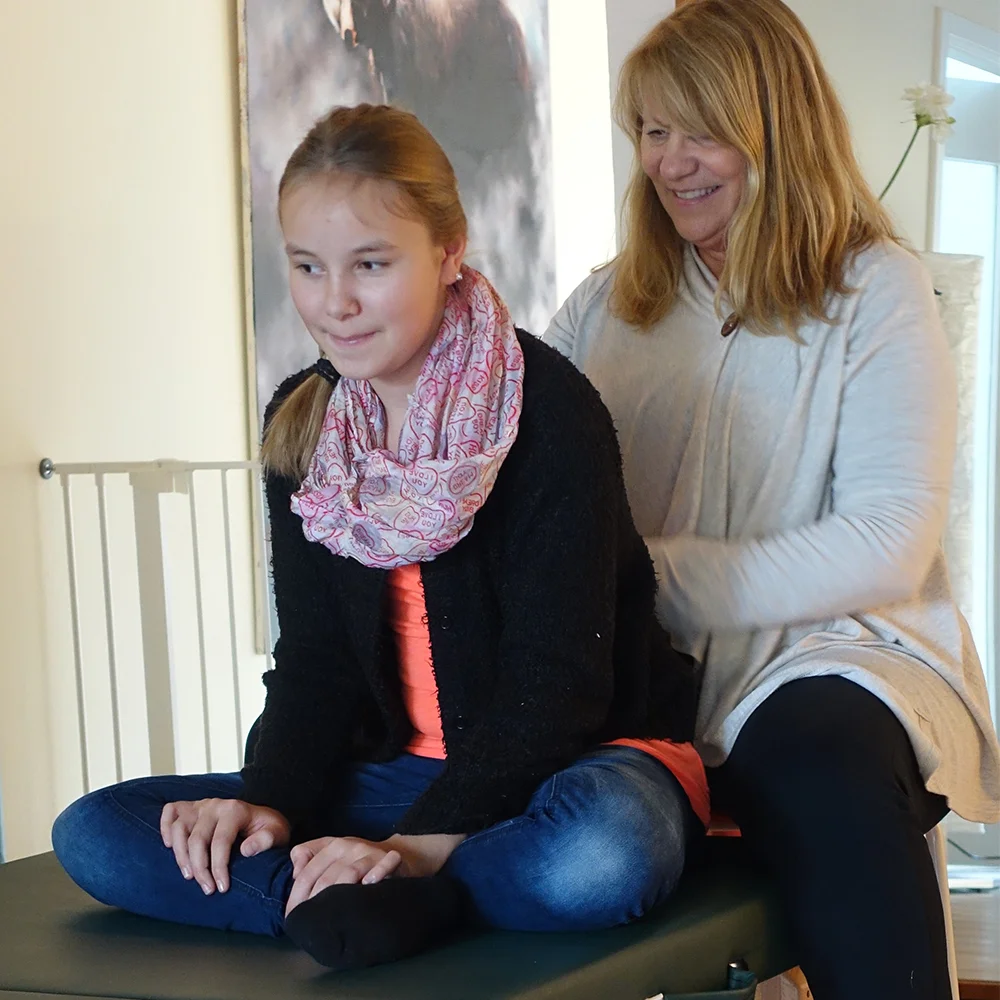
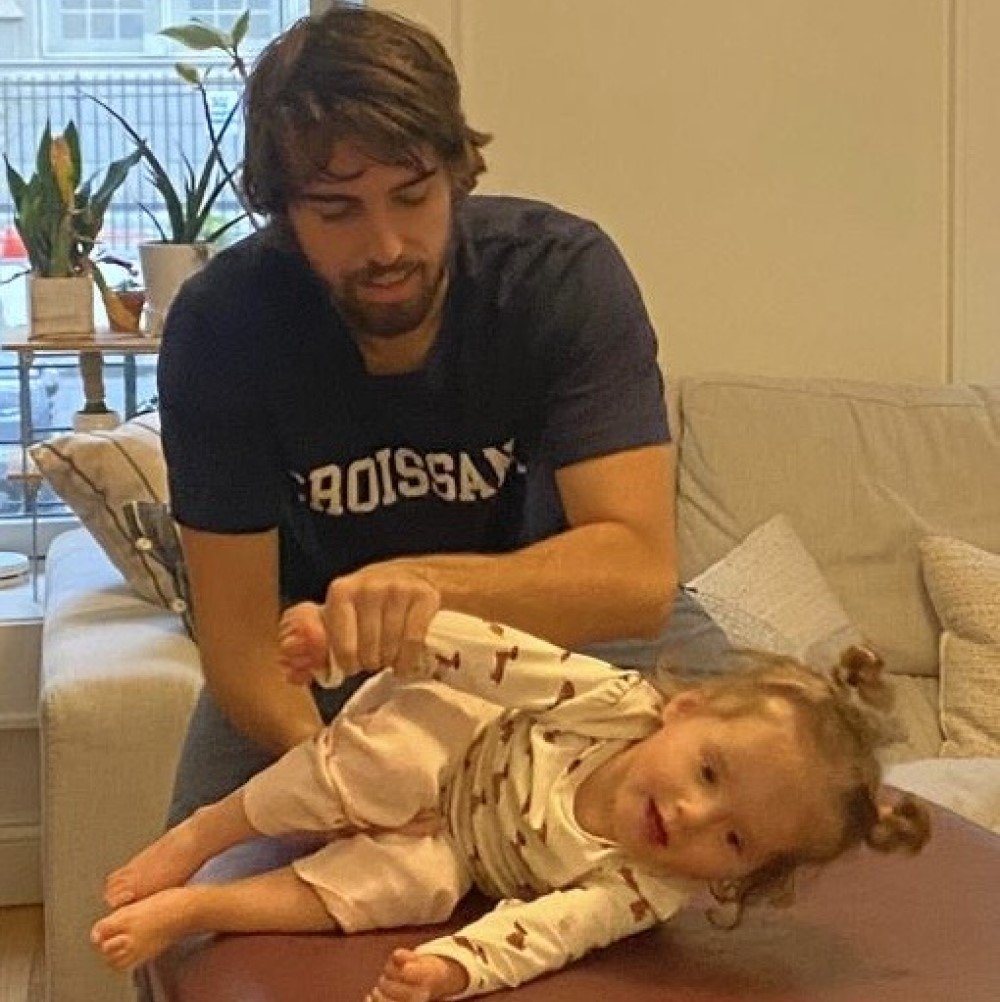
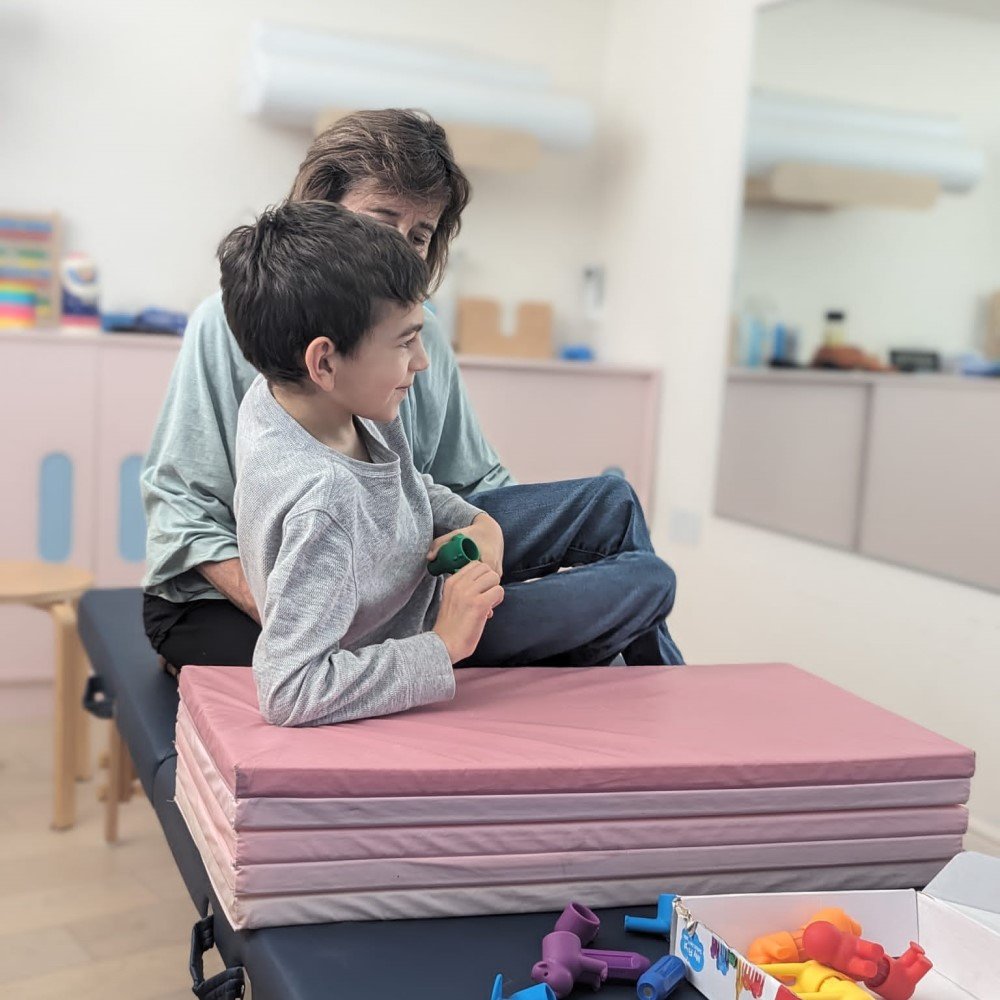
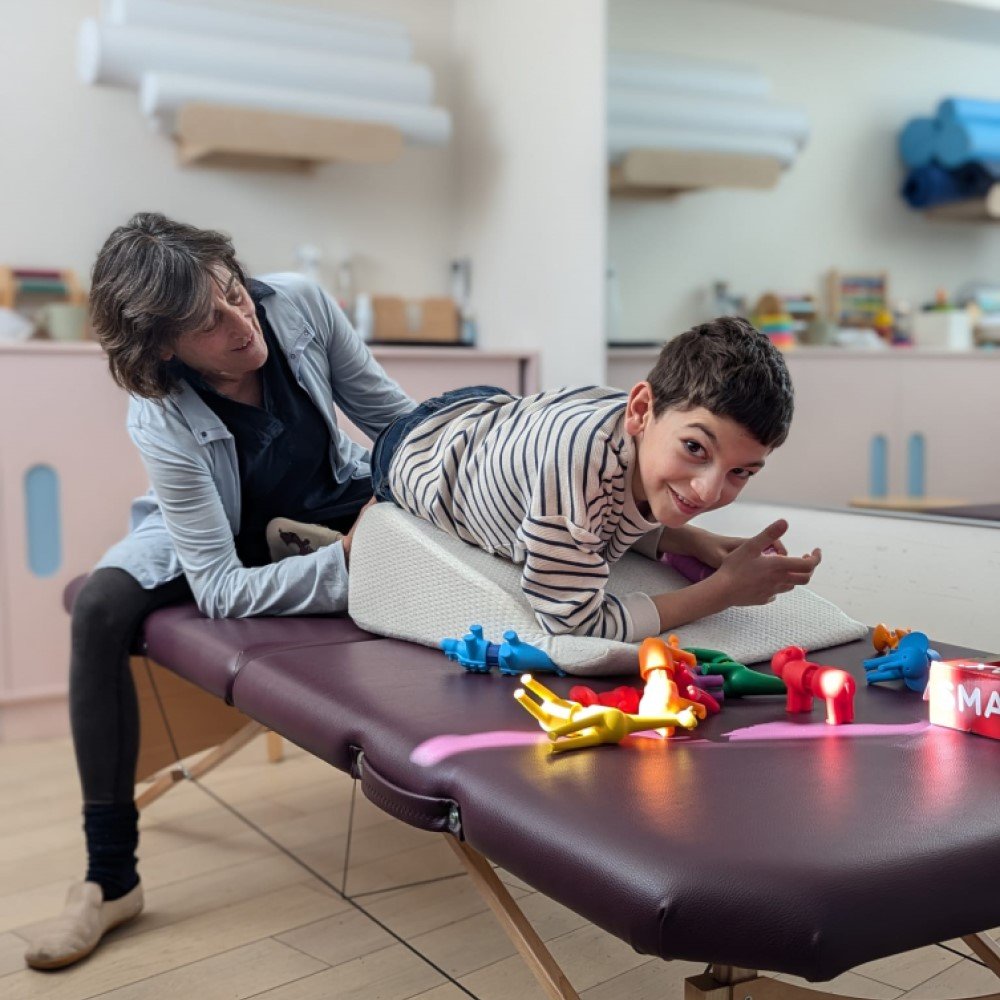
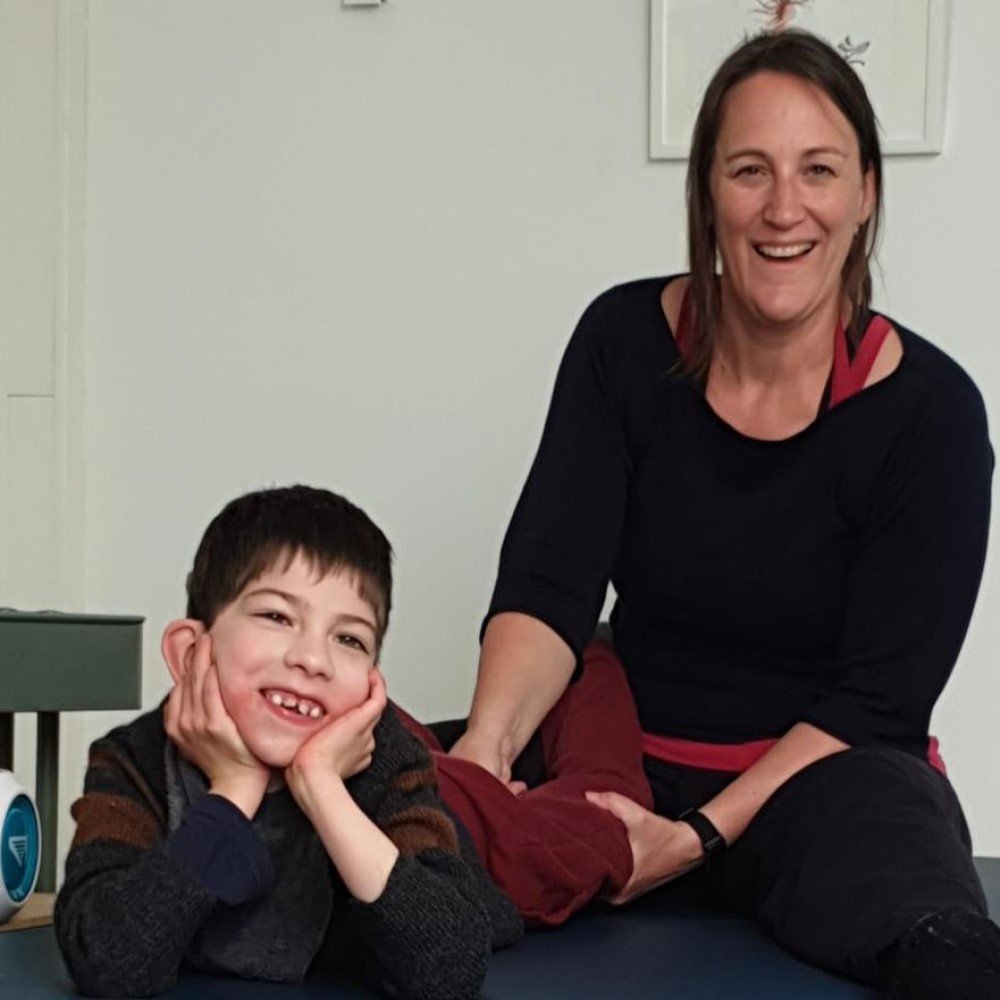
ABM® NeuroMovement® is a movement-based learning approach that views the brain as a self-organizing, adaptive system.
It is not a technique of pushing or prescribing fixed motor sequences — rather, it works by connecting with a person’s current state and introducing variations and subtle shifts that allow the brain to notice, differentiate, and self-reorganize.
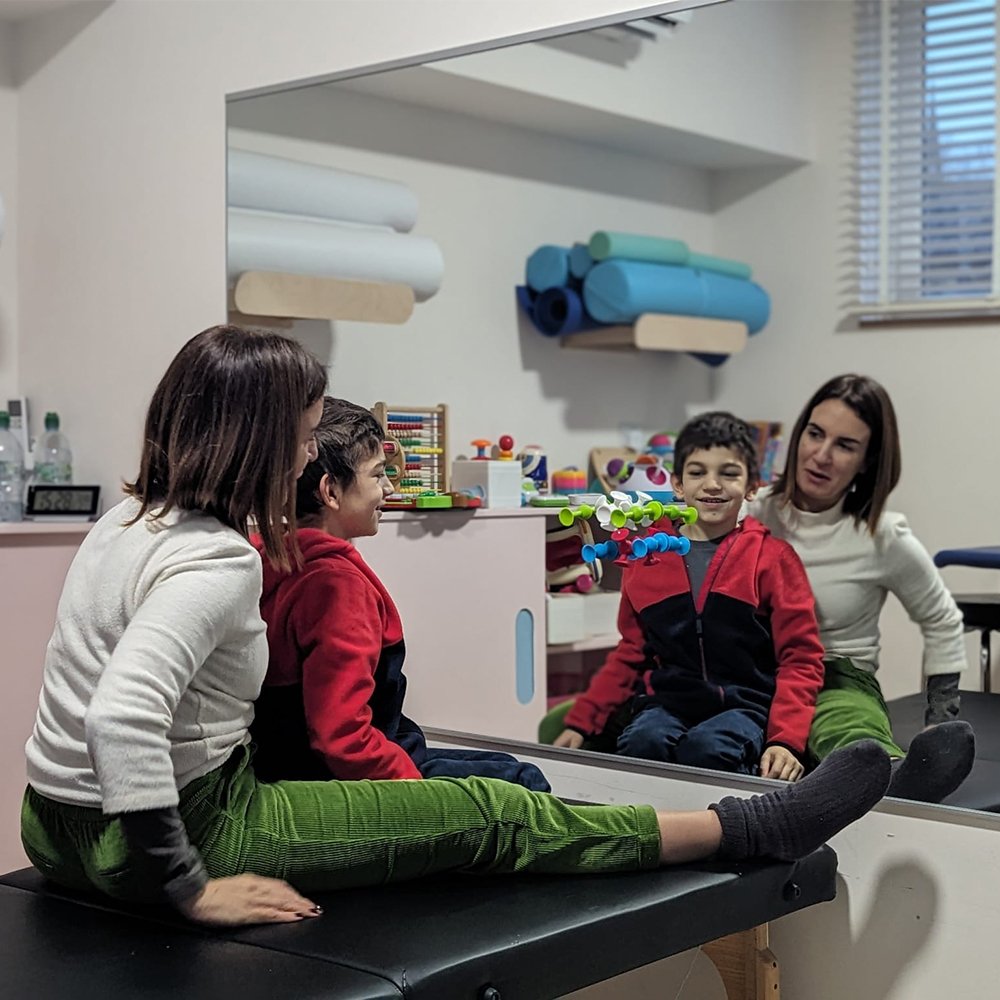
This approach respects autonomy and invites the person — child or adult — to lead their own exploration, while the practitioner joins and supports from a place of empathy and connection.
Rather than training the body to move in a prescribed way, NeuroMovement® invites the whole person — body, brain, and emotions — into a process of exploration and discovery. The result is often a shift from effort and limitation toward lightness, ease, and possibility.
At its heart, ABM® NeuroMovement® is about connection — between movement and thought, between practitioner and client, and between potential and expression. When learning becomes safe, playful, and full of discovery, the brain naturally begins to do what it does best: evolve.
Movement is the language of the brain. Every action, from the smallest shift in posture to the most complex gesture, generates streams of sensory feedback — proprioceptive, kinesthetic, tactile, and vestibular.
This constant flow of information allows the brain to build internal maps of the body and the environment, enabling us to sense, plan, and act.
When movement becomes repetitive, limited, or forced, the quality of this information declines. The brain begins to receive less meaningful differentiation — in neuroscientific terms, a reduced signal-to-noise ratio.
When the sensory “signal” is weak or overshadowed by “noise,” the brain cannot easily perceive differences or make fine adjustments, leading to rigid patterns of movement and behaviour.
ABM® NeuroMovement® counteracts this by introducing gentle, varied, and precisely attended movements that amplify sensory clarity.
The practitioner helps the individual experience subtle contrasts — differences in direction, weight, effort, and timing — which the brain then uses to refine its internal organisation.
Through this process of sensing, differentiating, and adapting, the brain strengthens its ability to learn. This is the foundation of neuroplasticity — the brain’s capacity to change its structure and function in response to experience.
At the core of ABM® NeuroMovement® is a shift in orientation: from fixing to connecting.
Rather than attempting to correct what is perceived as “wrong,” the practitioner seeks to connect with what is already present and working — however limited that may seem.
Many traditional modalities are condition-driven: they begin with a diagnosis and work within the boundaries of what that diagnosis implies.
In contrast, NeuroMovement® focuses on the individual’s potential for learning, not their limitations. The condition is not the determinant of what is possible; it is simply one element in a dynamic system that can reorganize and expand when given the right conditions.
Each session begins with where the person is, without judgment or expectation. By offering gentle, novel movement experiences within a supportive and non-corrective environment, the practitioner invites the brain to perceive new distinctions.
These distinctions, once integrated, form the foundation for broader changes in movement, communication, self-regulation, and overall wellbeing.
When the nervous system is met with safety, respect, and curiosity — rather than pressure or performance demands — its capacity for learning reawakens.
What emerges is not mechanical improvement, but a more connected, coherent sense of self in movement and in life.
“Rather than try to fix the problem by focusing on limitations, our focus is where the solutions actually lie—with the brain.”
— Anat Baniel
Children with ADHD thrive when given the right conditions for learning. NeuroMovement® is a science-based, holistic approach that helps activate your child’s brain, fostering focus..
With NeuroMovement® and the 9 Essentials, we wake up the brain of the child with ASD and support the brain’s ability to make sense of what they feel and perceive. The world as..
We’ve worked with children of all ages facing a wide range of conditions—from well-known genetic syndromes to rare birth defects—and we’ve seen many surpass expectations..
Cerebral palsy is an injury to the brain that interferes with the spontaneous process of movement development in a child. People mistake the child’s limitations to mean..
Back, shoulder, hip, knee, neck or repetitive stress injury. Very often, pain is caused by deeply ingrained poor habits of movement. These habits are formed in the brain circuity..
We’ve worked with children of all ages facing a wide range of conditions—from well-known genetic syndromes to rare birth defects—and we’ve seen many surpass expectations..
For individuals facing cognitive and behavioral challenges, NeuroMovement can enhance neuroplasticity, allowing the brain to form new..
After neurological injuries or trauma, the brain has a remarkable ability to rewire and adapt. With NeuroMovement® and the 9 Essentials, we engage the brain’s natural plasticity, helping..
Chronic pain or limited mobility can deeply affect daily life. Through gentle, mindful NeuroMovement® lessons, the brain discovers new pathways for movement, reducing pain..
When someone suffers a trauma or an injury, they are never the same again as they have a different body than before. Their brain needs to learn how to organise a whole “new” body..
Through non-forceful, mindful movements, children experience reduced stress, improved learning, and greater independence..
“Rather than try to fix the problem by focusing on limitations, our focus is where the solutions actually lie—with the brain.”
— Anat Baniel
Attention deficit disorder / Attention-deficit/hyperactivity disorder
Practitioners focus on the power of their clients brain to learn and grow. As a client begins to experience progress, they start experiencing the natural joy of learning, and as failure turns to success, enthusiasm replaces the chronic frustration that a person with ADHD or other learning challenges often experiences.
The job of the brain is to put order in the disorder and make sense out of the nonsense. The brain of the child on the autism spectrum has difficulty in doing so.
With NeuroMovement® and the 9 Essentials, we wake up the brain of the child with ASD and support the brain’s ability to make sense of what they feel and perceive. The world as a result starts to make more sense.
Attention deficit disorder / Attention-deficit/hyperactivity disorder
Practitioners focus on the power of their clients brain to learn and grow. As a client begins to experience progress, they start experiencing the natural joy of learning, and as failure turns to success, enthusiasm replaces the chronic frustration that a person with ADHD or other learning challenges often experiences.
Cerebral palsy is an injury to the brain that interferes with the spontaneous process of movement development in a child. People mistake the child’s limitations to mean that the brain itself is limited in its capacity to learn and end up believing that those current limitations define what is possible for the child in the future.
For many modalities, the focus is on the muscles, so their approach to helping ends up being rather mechanical in nature (including stretching the muscles when they are spastic and short, and stimulating muscles when they are not working well) and therefore yielding limited results for the person with cerebral palsy.
By using gentle movements and the 9 Essentials, practitioners can tap into the enormous potential of your child’s brain, setting the right conditions to create positive brain change and open up new possibilities.
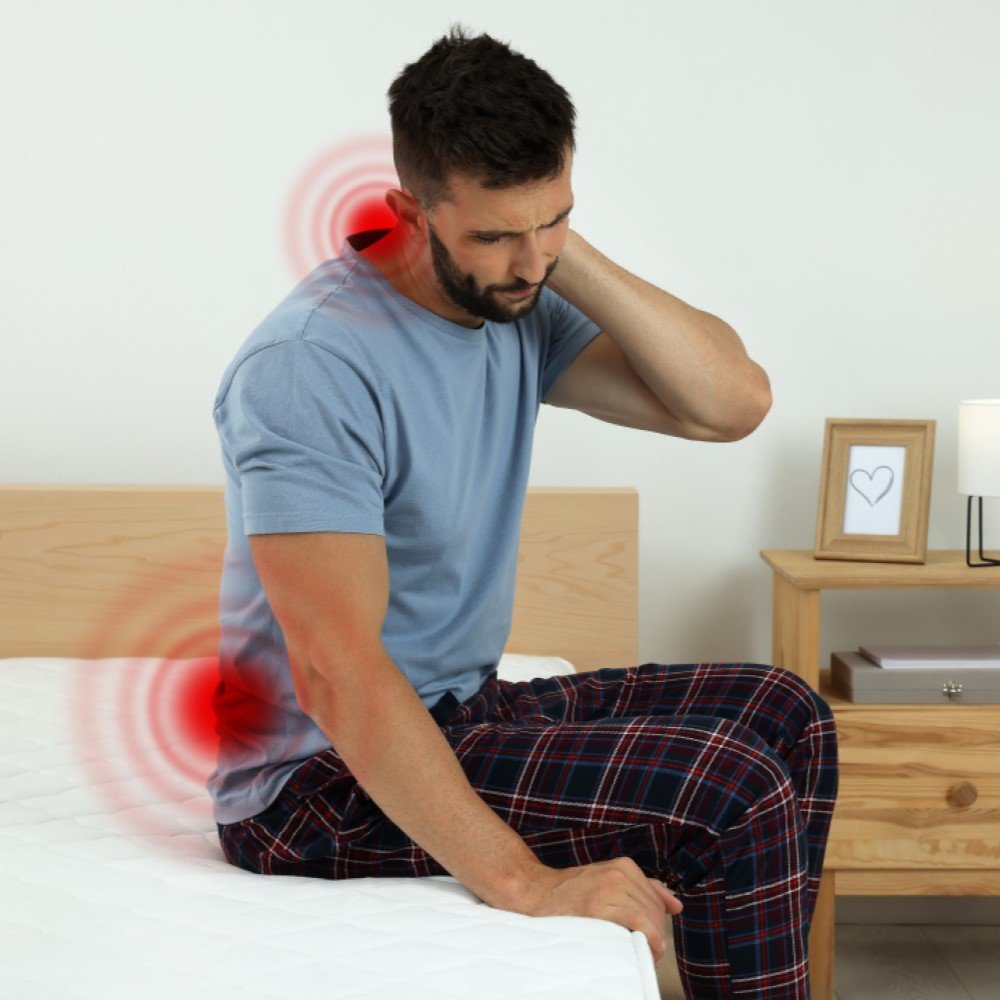
Back, shoulder, hip, knee, neck or repetitive stress injury.
Very often, pain is caused by deeply ingrained poor habits of movement. These habits are formed in the brain circuity and manifest through movement that is either harmonious and pleasurable, or painful and limited.
Your brain is responsible for organising all movement, and so to eliminate pain, you need to change the patterns of movement in your brain.
Often other modalities focus on quick fixes or just on the area that has been impacted. With ABM NeuroMovement, the focus is much more on the overall organisation of the body and starting with what moves well allowing brain plasticity to flourish.
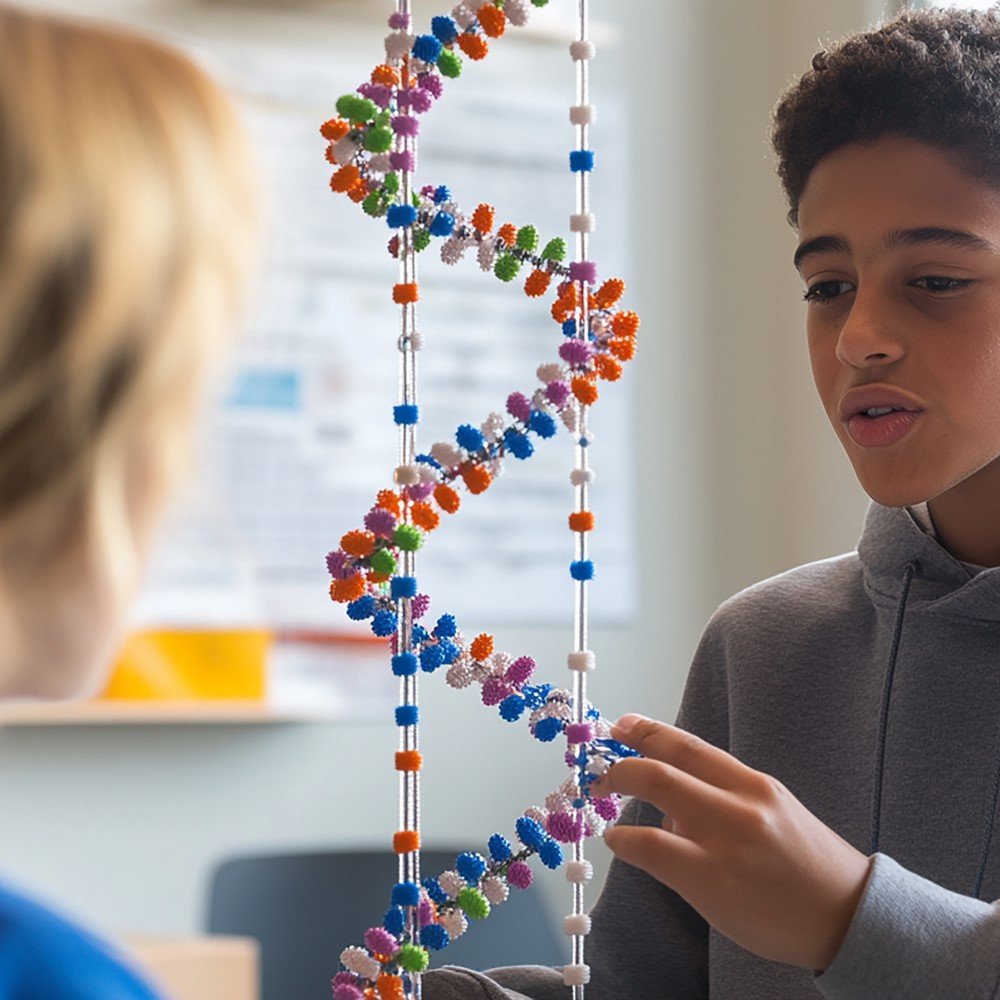
Down syndrome, Fragile X, Spinal Muscular Atrophy, Cri du Chat, Angelman syndrome, CDKL5, and other rare genetic disorders.
Attention deficit disorder / Attention-deficit/hyperactivity disorder
Practitioners focus on the power of their clients brain to learn and grow. As a client begins to experience progress, they start experiencing the natural joy of learning, and as failure turns to success, enthusiasm replaces the chronic frustration that a person with ADHD or other learning challenges often experiences.
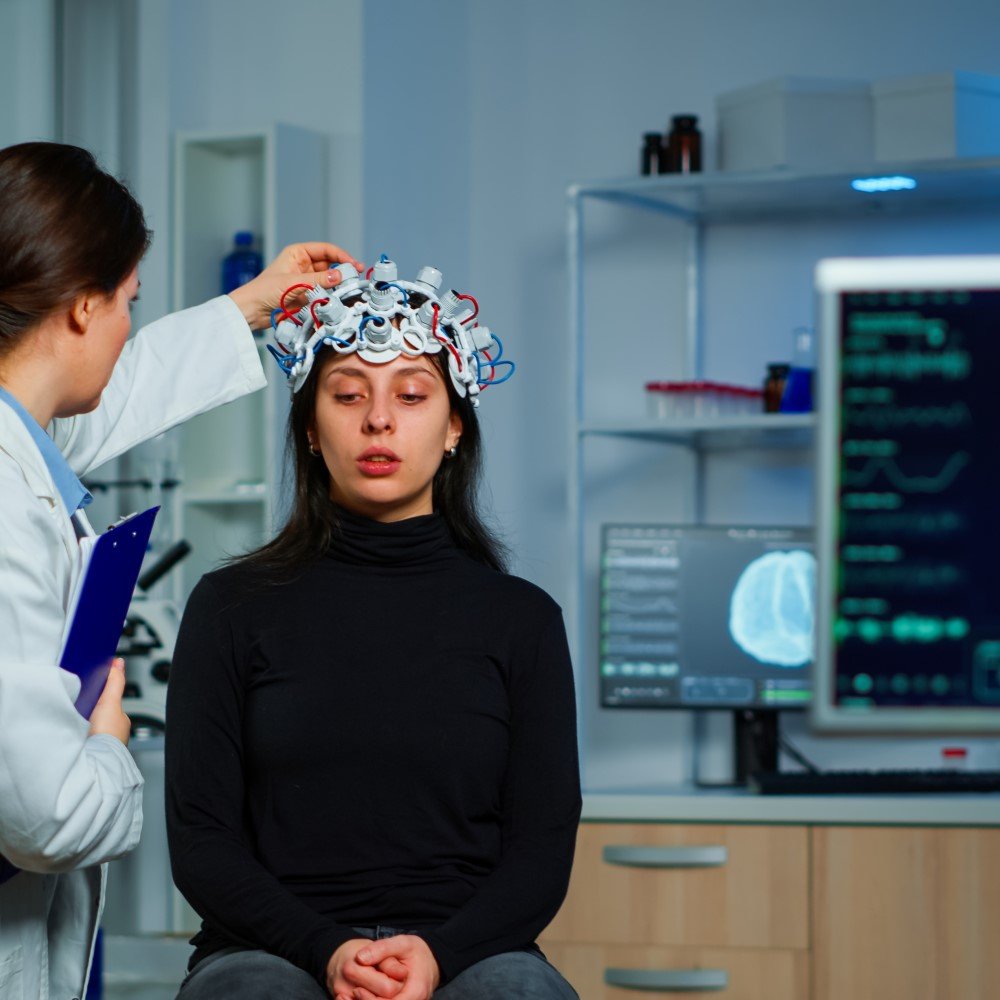
Brain damage, Stroke, Parkinson’s, Multiple Sclerosis and more.
From injury, surgery or trauma.
When someone suffers a trauma or an injury, they are never the same again as they have a different body than before. Their brain needs to learn how to organise a whole “new” body and all of its movements and actions.
The old patterns either only partially work or no longer work, however understanding that the brain can change, powerfully and rapidly, to create ingenious new solutions, offers great hope. Starting with where you are at – and what you can do – will flood the brain with new information, triggering brain plasticity and a re-wiring of the brain.
Attention deficit disorder / Attention-deficit/hyperactivity disorder
Practitioners focus on the power of their clients brain to learn and grow. As a client begins to experience progress, they start experiencing the natural joy of learning, and as failure turns to success, enthusiasm replaces the chronic frustration that a person with ADHD or other learning challenges often experiences.
Attention deficit disorder / Attention-deficit/hyperactivity disorder Practitioners focus
Attention deficit disorder / Attention-deficit/hyperactivity disorder
These principles form the foundation of NeuroMovement®. Each one describes a condition that turns the brain’s “learning switch” on.
Bringing awareness to movement so the brain can map and refine it.
Allowing time to sense subtle differences and avoid automatic, habitual patterns.
Introducing new possibilities, directions, and rhythms that keep the brain engaged.
Reducing effort and force so the brain can perceive fine distinctions.
Engaging curiosity, enjoyment, and the desire to learn.
Staying responsive and adaptable rather than driven by rigid outcomes.
Recognising when the person is ready and open to learn.
Using imagery and creativity to expand movement and thinking.
Cultivating the ability to sense, notice, and integrate new experiences.
Each Essential creates the conditions for the brain to grow more refined, connected, and adaptable.
Movement helps the brain grow and form. When we bring attention to what we feel when we move, the brain starts building billions of new neurological connections that facilitate changes, learning and transformation.
Fast we can only do what we already know. To overcome limitations and master new skills we need to slow down to get the brain’s attention which in turn stimulates the formation of rich new neural patterns.
Variation provides the brain with a richness of information to create new possibilities in movement, thought, feelings and action. It helps to increase awareness and lifts you out of rigid old patterns, awakening new ideas and possibilities in your life.
Reducing the force and effort with which we move and think, increases our sensitivity and ability to perceive differences. These perceptions give the brain new information it needs to organise action successfully.
Enthusiasm lights up your brain. By approaching a task with enthusiasm the brain stands up and takes notice. It tells your brain what’s important to you and helps the learning process. It is a skill that you can develop and become good at.
Holding goals loosely allows the brain to prioritise information and to optimise the system for the greatest likelihood of success. Freeing yourself from the compulsion of meeting a goal keeps you open-minded, reduces anxiety and increases creativity.
The brain is either in learning mode or it is not. Repetition, drilling, habitual patterns and emotions as we get older, all tend to turn the learning switch off. Activating the learning switch allows the brain to do its job properly, to discover and create new possibilities.
Through imagination the brain figures out new possibilities without actually having to perform, whilst at the same time creating new neural pathways. The use of imagination and dreams enables you to transcend limitations and create the blueprint for future success.
Every brain and every situation is unique. The changes that occur through NeuroMovement® depend on many factors — the person’s history, their current level of organisation, and the consistency of lessons over time.
Commonly observed benefits include:
While outcomes vary, families often notice their child becoming more present, responsive, and capable — not through effort or drills, but through genuine learning.
ABM® NeuroMovement® shares its lineage with the Feldenkrais Method® and draws on contemporary insights into neuroplasticity, perception, and sensory–motor integration.
While it can work alongside other modalities that respect learning and awareness, it differs fundamentally in how change is created. Traditional, physically driven methods that rely on repetition or correction can sometimes conflict with how the brain naturally learns and organises movement.
NeuroMovement® enhances perception, awareness, and organisation — helping the brain find more efficient, comfortable patterns of movement. This often deepens and sustains progress made through other supports such as physiotherapy, occupational therapy, or speech work, provided those approaches also respect the individual’s pace of learning.
At its core, NeuroMovement® begins with connection, curiosity, and awareness — creating the conditions for the brain to change itself, rather than imposing change from the outside.