Structural, Genetic & Birth Disorders
Building New Possibilities Through Gentle, Brain-Based Learning
“Aliyah’s progress over 20 months shows how NeuroMovement® can support children with genetic and structural conditions.”
Building New Possibilities Through Gentle, Brain-Based Learning
Every child and adult has the capacity for change — no matter what diagnosis they’ve been given.
For those with genetic, structural, or birth-related conditions, NeuroMovement® offers a way to improve comfort, movement, and awareness by working directly with the brain’s remarkable ability to adapt and reorganise.
Understanding the Challenge
Genetic and structural conditions often affect how the brain and body communicate.
When there are differences in muscle tone, alignment, or coordination, the body may compensate with excess effort, creating discomfort or limiting function.
Traditional approaches often focus on strengthening or stretching specific muscles, but this can miss the larger picture — that movement, posture, and perception are all organised by the brain.
NeuroMovement® starts here: helping the brain perceive differences, reorganise how it controls the body, and discover new, more efficient ways of moving and feeling.
“When we improve how the brain perceives and organises the body, movement and comfort follow naturally.”
Understanding the Challenge
How ABM® NeuroMovement® Helps
How NeuroMovement® Helps
Each gentle, non-invasive lesson provides the brain with novel sensory and movement information.
This helps the nervous system build new neural maps — allowing for better skeletal organisation, improved coordination, and greater ease.
Over time, many children and adults experience:
- Less physical effort and strain
- Better alignment and balance
- Increased comfort and range of motion
- Enhanced awareness and interaction with their environment
Because the process is driven by curiosity and connection, it supports not only physical but also cognitive and emotional development.
Conditions We Support
Genetic Disorders
“Aliyah’s extraordinary progress over 20 months shows how NeuroMovement® can support children with genetic conditions.”
Genetic Disorders
Children with genetic differences — such as Down syndrome or other chromosomal or metabolic conditions — often show surprising adaptability when given the chance to learn through movement and awareness.
NeuroMovement® helps their brains integrate information more effectively, leading to improvements in movement, attention, and interaction.
Even small changes can enhance comfort, confidence, and participation in daily life.
Birth Defects
Children born with congenital differences — whether affecting the heart, limbs, or other systems — often face challenges in coordination and comfort as they grow.
NeuroMovement® provides a safe and adaptable framework for learning new movement patterns that support the whole person.
Rather than compensating through effort or tension, the brain learns to move more efficiently, improving comfort, posture, and overall well-being.
Birth Defects
“Lucas’s journey with a congenital heart defect demonstrates the benefits of neuroplastic learning from infancy.”
Torticollis
“A gentle demonstration of how NeuroMovement® can help improve symmetry and comfort for children with torticollis.”
Torticollis
For babies and children with torticollis (tightness or imbalance in neck muscles), NeuroMovement® offers gentle, effective help.
By introducing variation and subtle movement patterns, the brain learns to organise the head, neck, and spine in more balanced ways.
This often results in improved symmetry, comfort, and developmental progression.
Scoliosis
For individuals with scoliosis, NeuroMovmen® lessons can help improve comfort, reduce muscular asymmetry, and enhance balance and stability.
By improving the brain’s awareness of the spine and movement possibilities, lessons can reduce effort and discomfort, even when structural changes remain.
Rather than forcing correction, NeuroMovmen® encourages more efficient organisation — helping clients move with greater ease and alignment.
Scoliosis
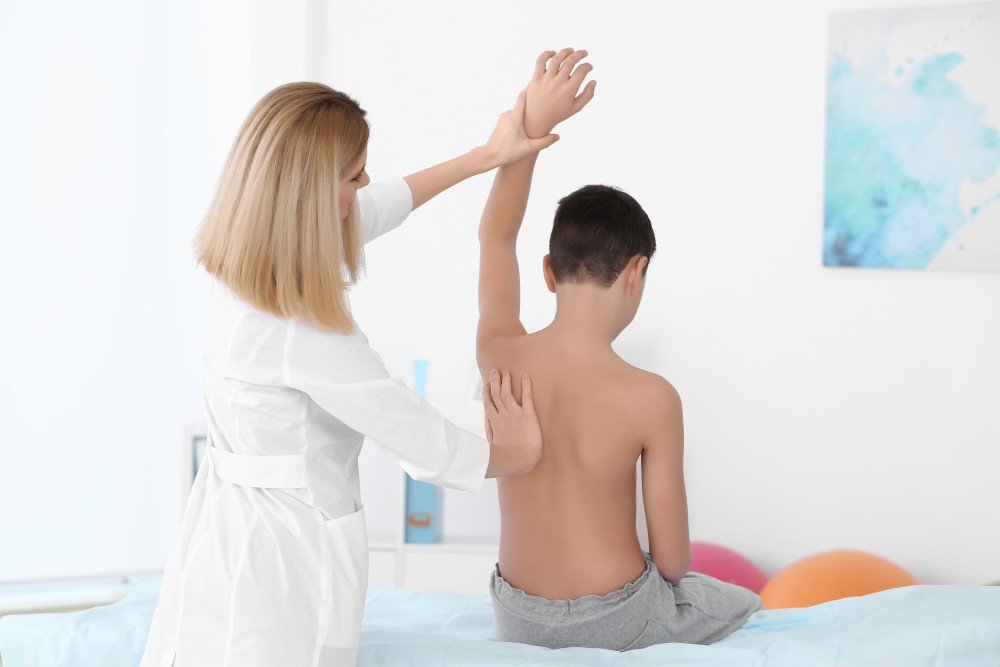
Brachial Plexus Injury
“How NeuroMovement® helped Grace recover after a brachial plexus injury at birth.”
Brachial Plexus Injury
When a baby experiences a brachial plexus injury at birth, it can affect shoulder and arm movement.
NeuroMovement® supports recovery by gently engaging the brain’s capacity to map and coordinate the affected limb.
Through small, safe movements and awareness, the brain learns new ways to recruit muscles, restore sensation, and build coordination — often improving range of motion and functional use.
Learn what we offer
We practice the ABM® NeuroMovement®, which at its core, is all about learning and upgrading the brain through the 9 Essentials. Our 3 Offerings provide great opportunities for both children and adults, and they can be done individually or blended in together.
Learn which of our services might be best suited to start your learning process.

Genetic Disorders
Individiuals with genetic disorders will form new neural connections that help them move past their limitations and experience new possibilities.

Birth Defects
Individuals born with torticollis and a wide variety of birth defects overcome limitations and often achieve full, or almost full, functioning with NeuroMovement.

Torticollis
Individuals born with torticollis and a wide variety of birth defects overcome limitations and often achieve full, or almost full, functioning with NeuroMovement.

Scoliosis
Individuals who have scoliosis experience reduced pain, more flexibility and strength in their backs, better and easier breathing, and enhanced vitality and well-being.

Brachial Plexus Injury
Individuals who have brachial plexus injuries often experience breakthrough results by taking advantage of the brain’s ability to change and to “map” the affected arm, despite the injury.
What Families and Clients Often Notice
- Improved posture and comfort
- Better skeletal organisation and balance
- Reduced tension and physical effort
- Increased range of motion and coordination
- More relaxed, fluid movement
- Enhanced engagement and emotional well-being
What Families and Clients Often Notice
Why NeuroMovment® Feels Different
Families often describe the experience as gentle, intelligent, and empowering.
Instead of pushing or stretching the body, NeuroMovement® invites the brain to discover what’s possible.
“We don’t force change — we create the conditions for change to happen.”
The result is progress that feels natural, sustainable, and deeply respectful of each person’s unique journey.
Our Approach
Every person who visits Connections in Motion begins their journey with NeuroMovement® through one or more of our three core offerings:
Hands-On Lessons, Online Coaching, and Transformational Movement Lessons.
Each approach uses the same 9 Essentials to activate learning and change in the brain — whether through gentle movement, guided awareness, or parent-led interaction.
Together, they form a flexible and holistic way to support learning and transformation for both children and adults.
Our Approach

A New Way Forward
Every diagnosis tells only part of the story.
What matters most is the brain’s ability to learn, adapt, and create new possibilities for comfort, connection, and growth.
NeuroMovement® helps individuals of all ages discover more ease in their bodies, clarity in their movements, and joy in their learning.
“Even small changes can open up a world of difference.”