Our Story
Why We Do What We Do
Why We Do What We Do
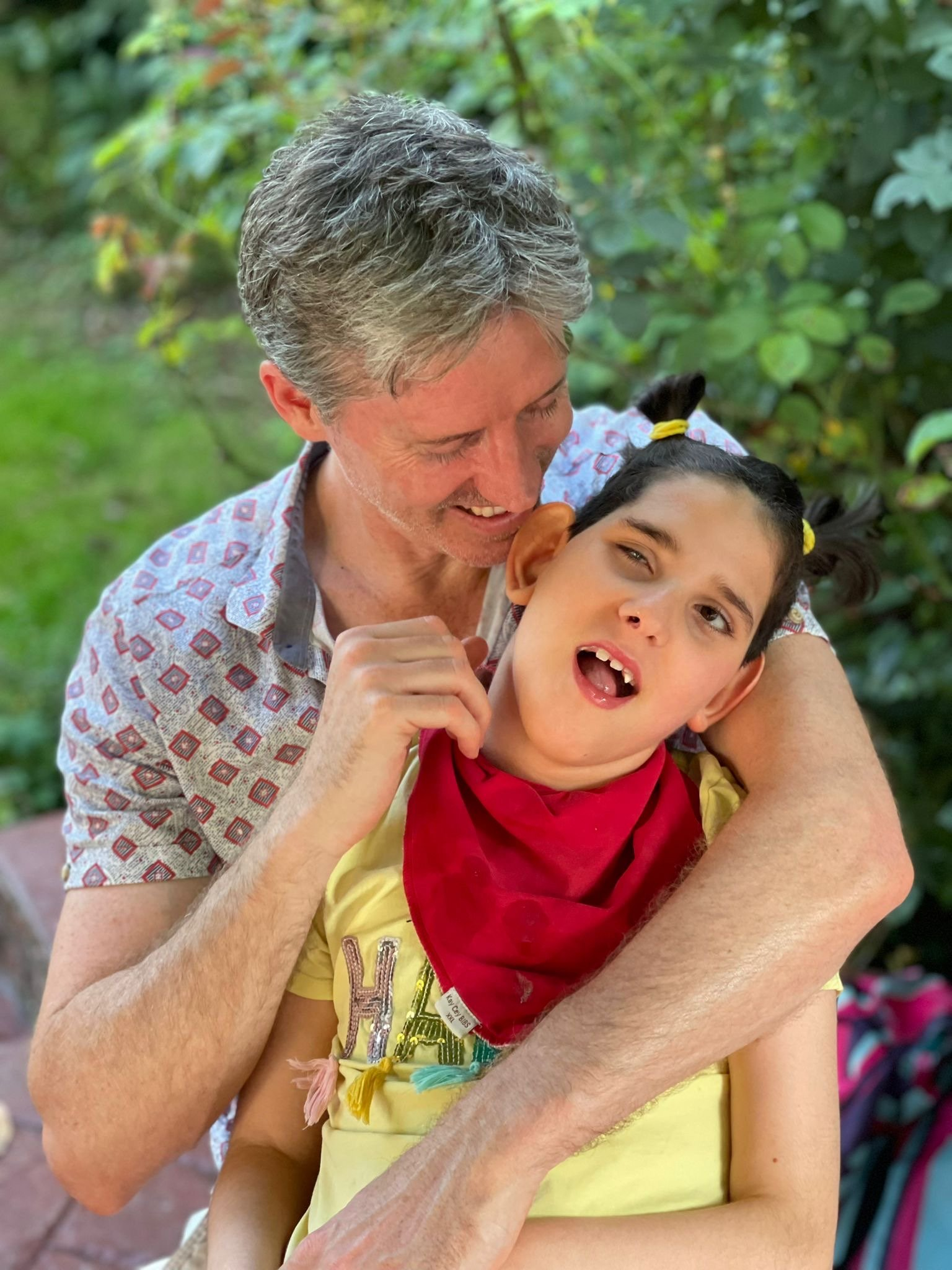
Every movement tells a story — and ours began with a little girl who taught us how powerful the brain can be.
Our daughter, Elsa, was born in 2014 in Singapore at just 25 weeks, weighing 890 grams. Following neonatal bacterial meningitis, she developed a series of complications that affected her early development and overall health.
During her time in hospital, Elsa faced hydrocephalus, seizures, and retinopathy of prematurity, among other challenges. Each new diagnosis carried uncertainty, and her early months were spent surrounded by monitors and medical teams working to keep her alive.
Doctors told us not to expect much. They spoke in limits — about survival, not about potential. But even then, we saw something different.
A Journey of Discovery
In those first years, we turned to the therapies most commonly recommended — physiotherapy, occupational therapy, and speech and language. While each had value, the focus was often on what Elsa couldn’t do, rather than on the possibilities within her.
Her sessions felt mechanical, driven by effort rather than curiosity. What we longed for was an approach that truly connected with the brain — the source of all movement and learning.
That search led us to ABM® NeuroMovement®, a method that aligned with what we intuitively felt: that meaningful progress begins when we start from ability, not limitation.
A Journey of Discovery

Discovering ABM® NeuroMovement®
Discovering ABM® NeuroMovement®
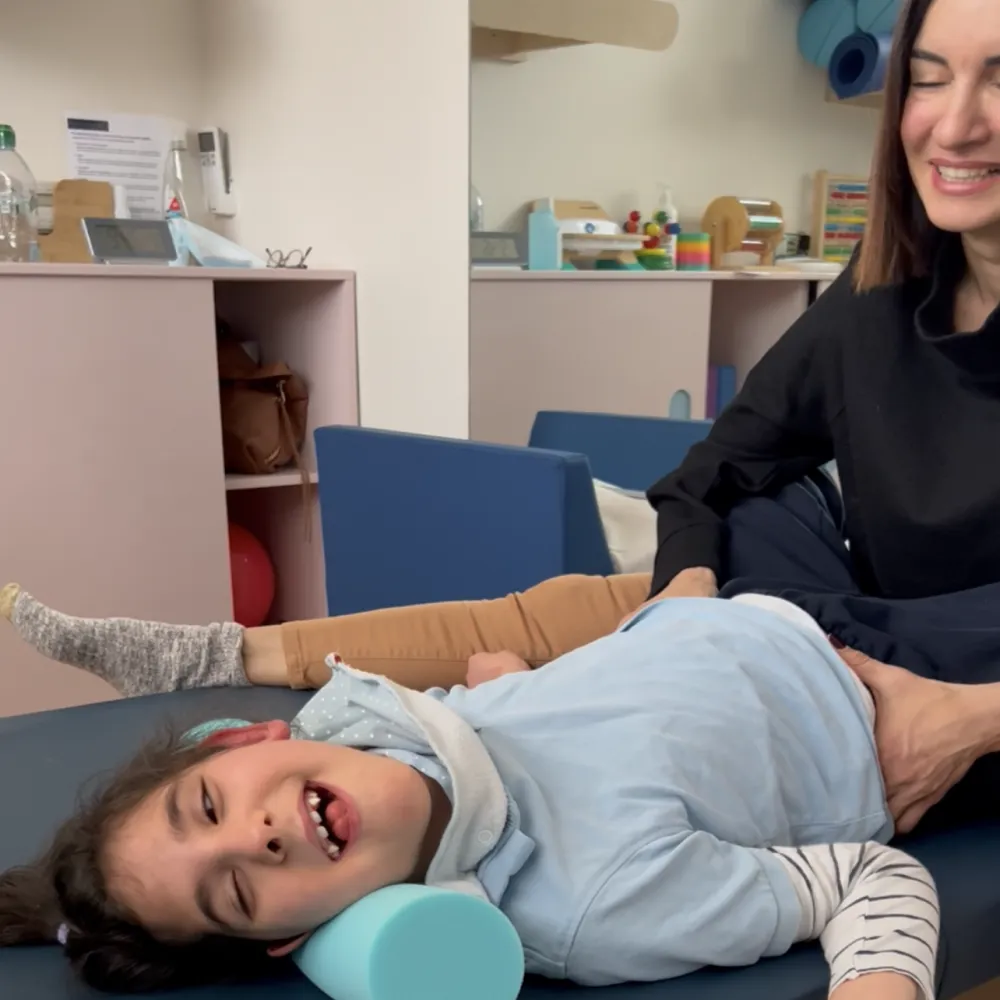
We first encountered ABM® through another parent and, soon after, worked with a practitioner in Melbourne. From the very first lesson, the difference was undeniable.
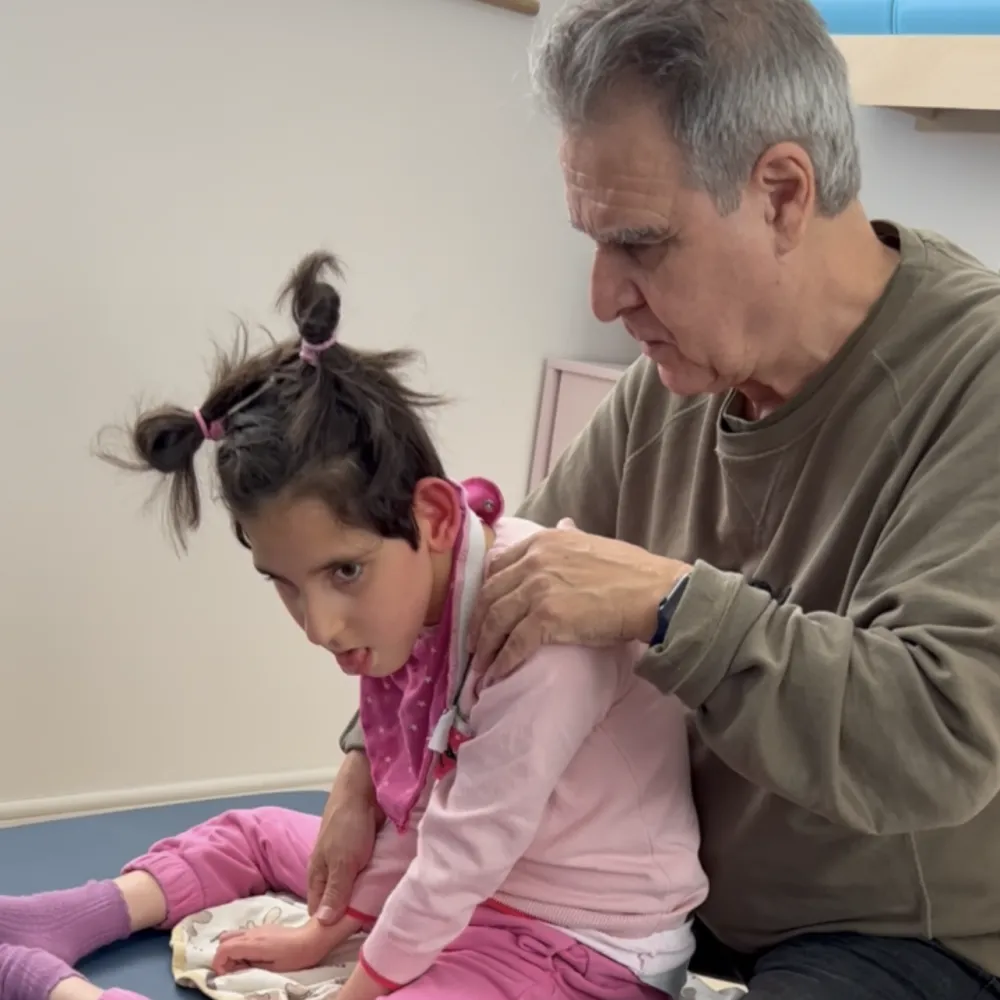
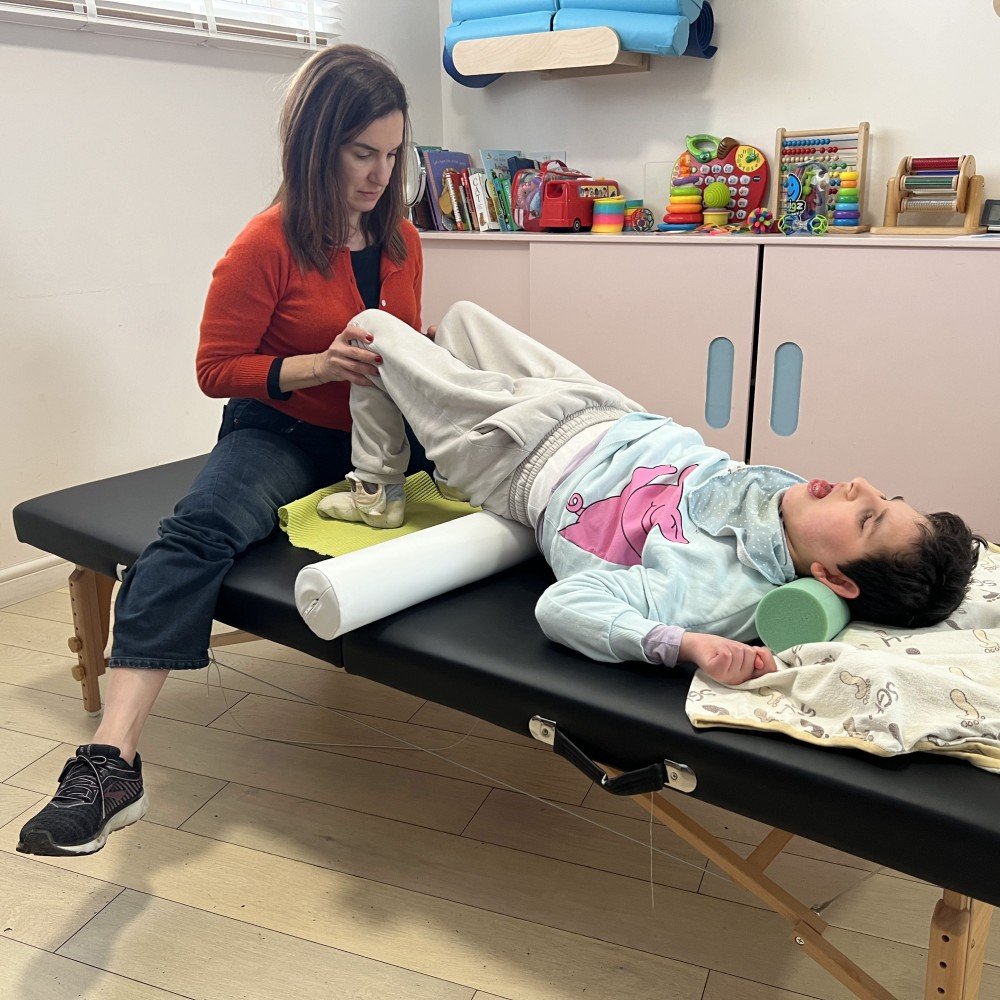
For the first time, Elsa wasn’t being pushed into positions her body couldn’t manage. The practitioner met her exactly where she was, following her lead and introducing gentle variations that her brain could explore. And Elsa loved it.
“When we stopped trying to make her do what she couldn’t, she began showing us what she could.”
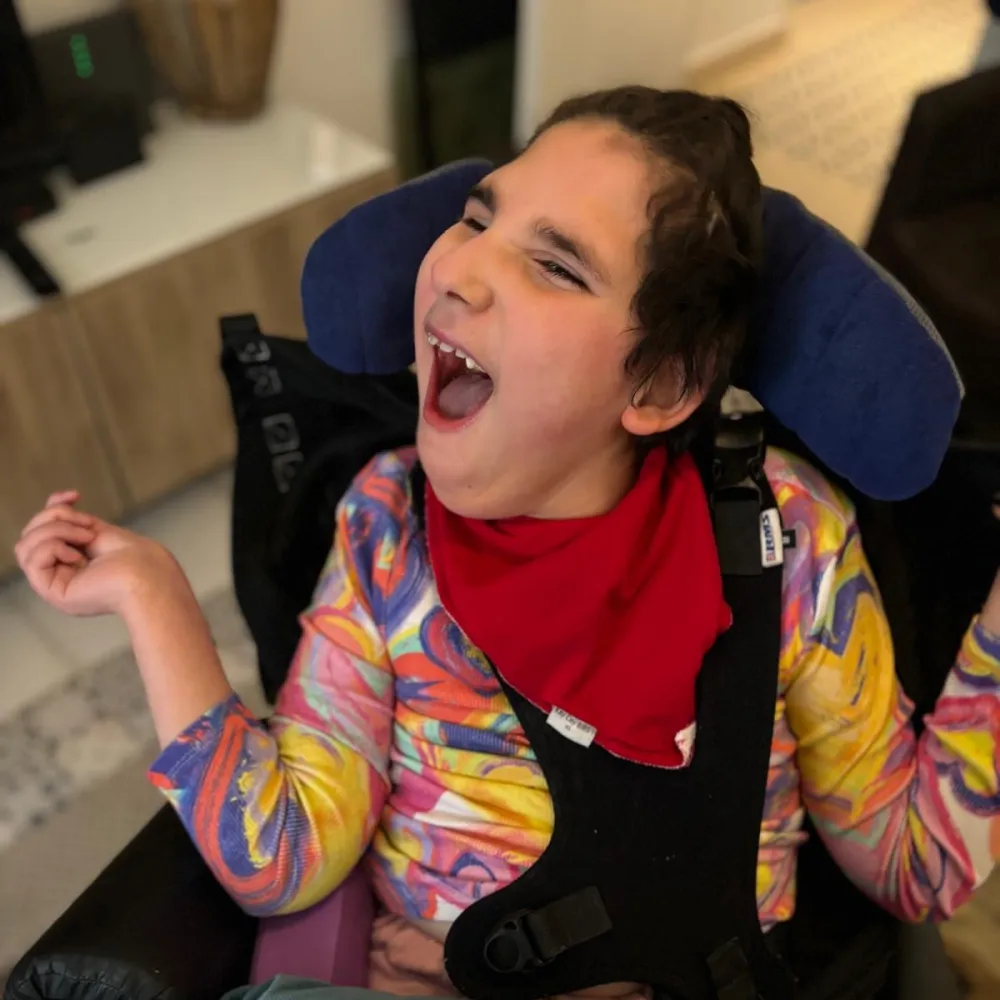
Her tone softened, her movements became lighter, and her whole body seemed more comfortable. Even with limited vision, she became more aware of her surroundings — more engaged, calmer, and happier.
Her feeding improved, her coordination refined, and something deeper shifted — a sense of ease that hadn’t been there before.
Avoiding Surgery — Learning Instead of Fixing
Before discovering ABM®, doctors told us that Elsa’s hips would likely require major surgical correction in the future. Yet, since beginning regular ABM® lessons in 2019, her hips have remained stable, and her scoliosis has not progressed.
Her body became better organised, her muscles more balanced, and her spasticity eased. The change was clear not only to us but also to her consultants, who began to take notice of how much more comfortable and aligned she had become.
ABM® didn’t just change how Elsa moved — it changed how we understood what healing could mean.
Avoiding Surgery — Learning Instead of Fixing

From One Family’s Story ® to a Centre for Others
From One Family’s Story ® to a Centre for Others
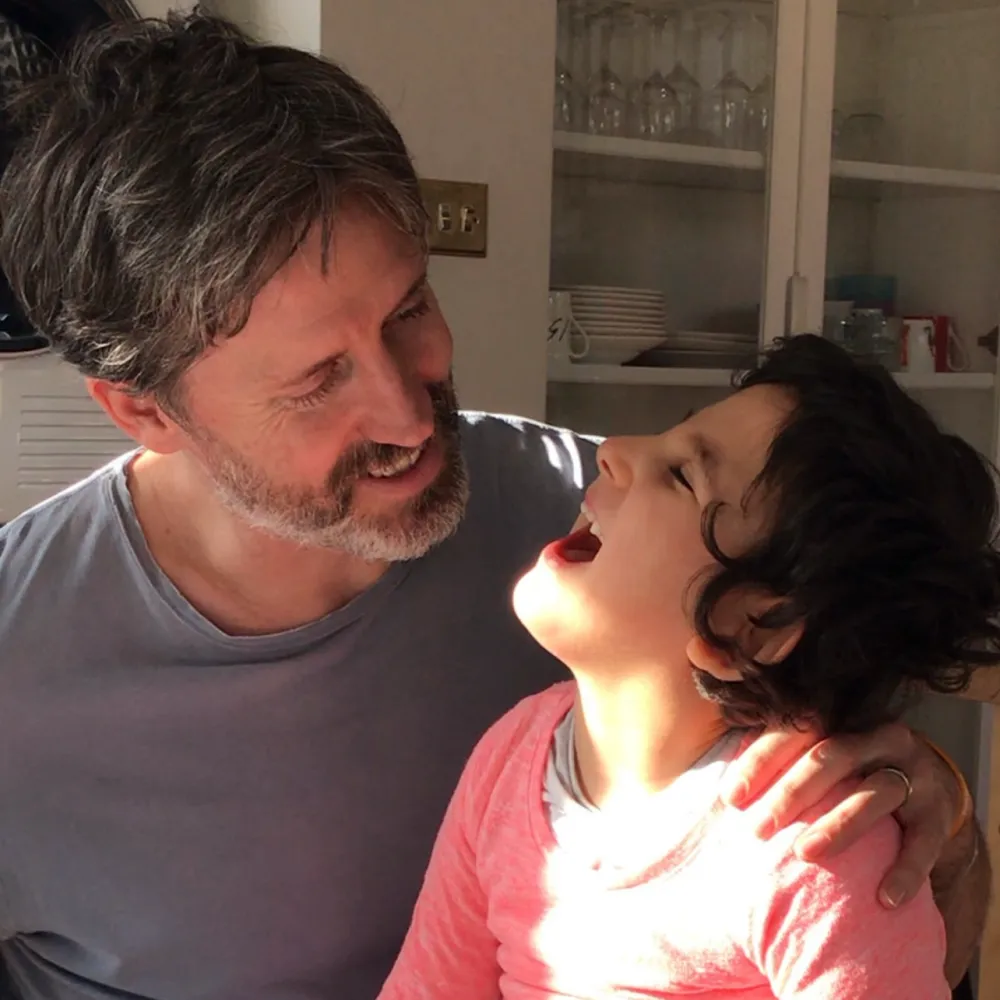
As Elsa’s progress continued, so did my understanding of what truly helps a person learn and grow.
It became clear that my life was changing direction — that supporting her development and sharing what we’d learned would become my focus.
I trained in ABM® NeuroMovement® in the United States, learning directly from Anat Baniel and her senior practitioners. When travelling became too difficult for Elsa, I began inviting experienced practitioners to the UK so that she, and others, could continue to access this transformative work.
What began in our home evolved into a growing community of families who wanted to explore new possibilities for their children and themselves.
That community became Connections in Motion — a centre where learning and transformation are made possible through understanding, empathy, and movement.
The Meaning Behind the Name
The name Connections in Motion holds two meanings at once.
It represents the new neural connections that form in the brain when learning takes place — the heart of neuroplasticity.
And it also captures the human connections that grow between families, practitioners, and communities who move forward together.
Movement is not only physical; it’s how the brain learns, how we adapt, and how we connect.
It’s the movement that makes the connections — and the connections that keep us moving forward.
The Meaning Behind the Name
Building a Community of Learning
Building a Community of Learning
As well as boosting the visibility of the work, for it to be at its most powerful, we also want to increase the knowledge base of ABM® NeuroMovement® in the UK by sharing information with families about any NeuroMovement®-related activity, events, and workshops.
By creating an expanding community of families, we hope to be able to better support each other in all the challenges that lie ahead.
Thanks to the work of our tireless practitioners, we hope to utilise ABM® NeuroMovement® to help dramatically improve clients’ physical, cognitive, emotional, and social development — resulting in improved movement, thinking, self-regulation, and connection with others.
What We Believe
At Connections in Motion, we hold a few simple but powerful beliefs:
- Every person has potential.
- Connection comes before correction.
- Disabilities do not define normality — they reveal diversity in how people learn and experience the world.
- When we focus on possibilities rather than limitations, we create the space for growth and transformation.
“We focus on what’s possible, not what’s missing. Miracles can happen when we meet people where they are.”
What We Believe
From My Family to Yours

From My Family to Yours
Elsa continues to surprise me every day.
Through her, I’ve learned that progress isn’t about pushing or fixing — it’s about creating the right conditions for the brain to learn.
That belief shapes everything we do at Connections in Motion. What began as one child’s journey has grown into a place where children and adults can experience the same potential for discovery and change.
Our story is one of learning, adaptation, and hope — and it continues to unfold with every family we meet.
From my family to yours — welcome to Connections in Motion.