Brain Trauma & Neurological Injury
Reorganising the Brain to Move Beyond Limitations
Every brain has the capacity to learn, adapt, and change — no matter the diagnosis or age.
Whether a person’s challenges stem from Cerebral Palsy, Brain Injury, Stroke, or Hypoxic Ischaemic Encephalopathy (HIE), NeuroMovement® helps the brain awaken new possibilities for movement, coordination, and comfort.
Reorganising the Brain to Move Beyond Limitations
“An overview of how NeuroMovement® uses the brain’s remarkable ability to reorganise after injury.”
Understanding the Challenge
Understanding the Challenge
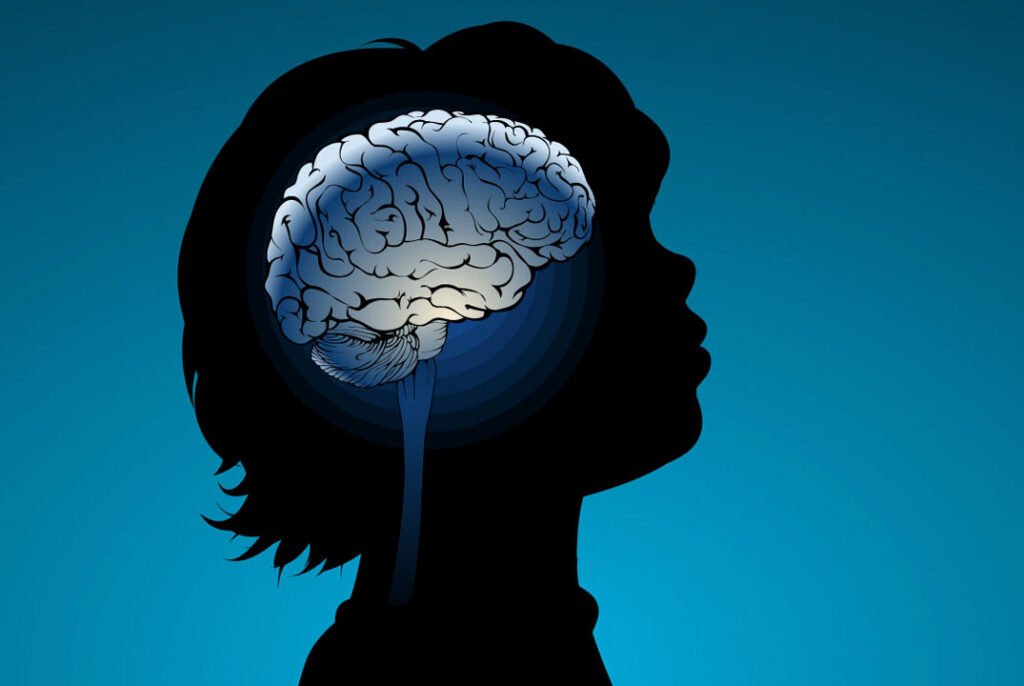
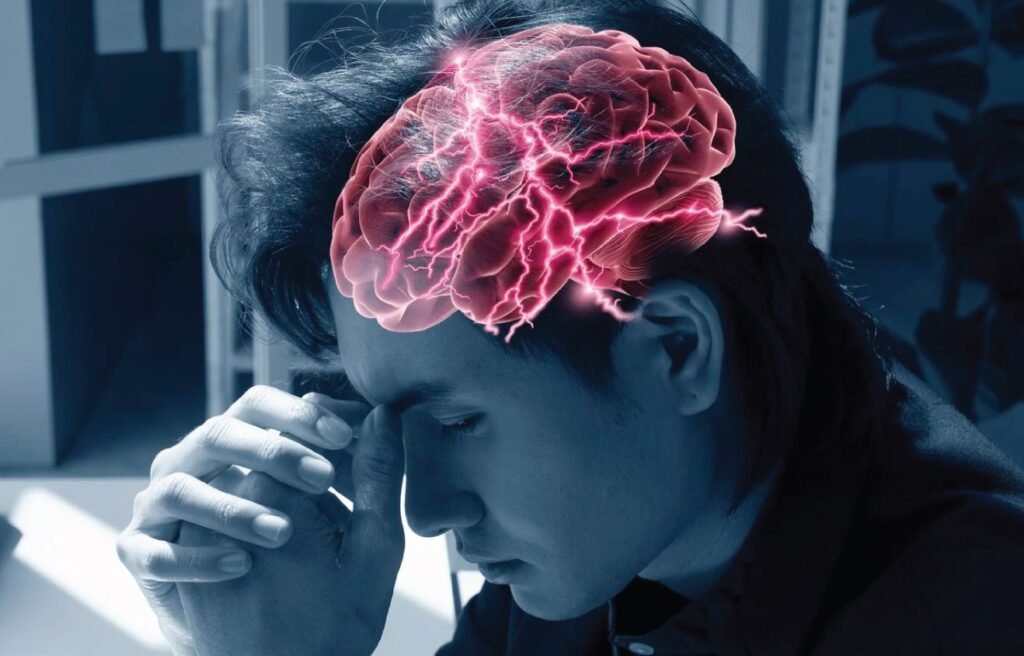
Cerebral Palsy, acquired Brain Injury, Stroke, and HIE all involve damage to or interruption of the brain’s ability to coordinate movement and perception — even though they differ in cause and timing.
Traditional rehabilitation often focuses on retraining the body to perform specific movements. But when the brain’s ability to organise and direct those movements has been disrupted, progress can plateau — effort increases while improvement remains limited.
NeuroMovement® begins where true change happens: in the brain itself. By creating the right conditions for learning and reorganisation, it helps movement become easier, smoother, and more efficient.
“When the brain learns, everything changes — movement, thinking, and confidence.”
How NeuroMovement® Helps
Rather than teaching the body to do what it cannot yet do, NeuroMovement® provides the brain with new information through gentle, varied movement and awareness.
These subtle variations act as stimuli for the brain to perceive differences, form new neural connections, and reorganise how it controls movement and posture.
Because this process is non-invasive and deeply respectful of the individual, it often reduces excess effort, spasticity, and tension. Clients frequently experience a greater sense of comfort, balance, and emotional calm.
NeuroMovment® practitioners work with each person’s current abilities — meeting them exactly where they are — and invite the nervous system to discover new, more efficient patterns.
How ABM® NeuroMovement® Helps
Conditions We Support
Learn What We Offer
We practice the ABM® NeuroMovement®, which at its core, is all about learning and upgrading the brain through the 9 Essentials. Our 3 Offerings provide great opportunities for both children and adults, and they can be done individually or blended in together.
Learn which of our services might be best suited to start your learning process.

Cerebral palsy
Individuals with cerebral palsy form new, more effective patterns of movement, cognition, feeling, and emotion with NeuroMovement.

Brain Injury & Stroke & Rehabilitation
Individuals with brain injuries or strokes become happier, improve academically, and develop more independent and satisfying lives.

Rehabilitation and Recovery
Individuals who have undiagnosed developmental delays become more effective and powerful learners, irrespective of a diagnosis.
Moving Beyond Limitations
It’s natural to want to “fix” what’s wrong—stretch tight muscles, encourage walking, or push for speech. But the greatest breakthroughs don’t come from forcing the body to perform tasks it isn’t ready for.
Instead, lasting transformation happens when we engage the brain’s own intelligence—helping it discover new pathways and solutions, rather than trying to push through limitations.
Cerebral Palsy
Children and adults with cerebral palsy often show remarkable adaptability when given the opportunity to explore movement through variation and curiosity.
ABM® helps reduce habitual muscle tightening and encourages smoother transitions between movements, improving comfort and engagement.
Over time, many experience reduced spasticity, better postural organisation, and greater self-awareness in how they move and interact with their environment.
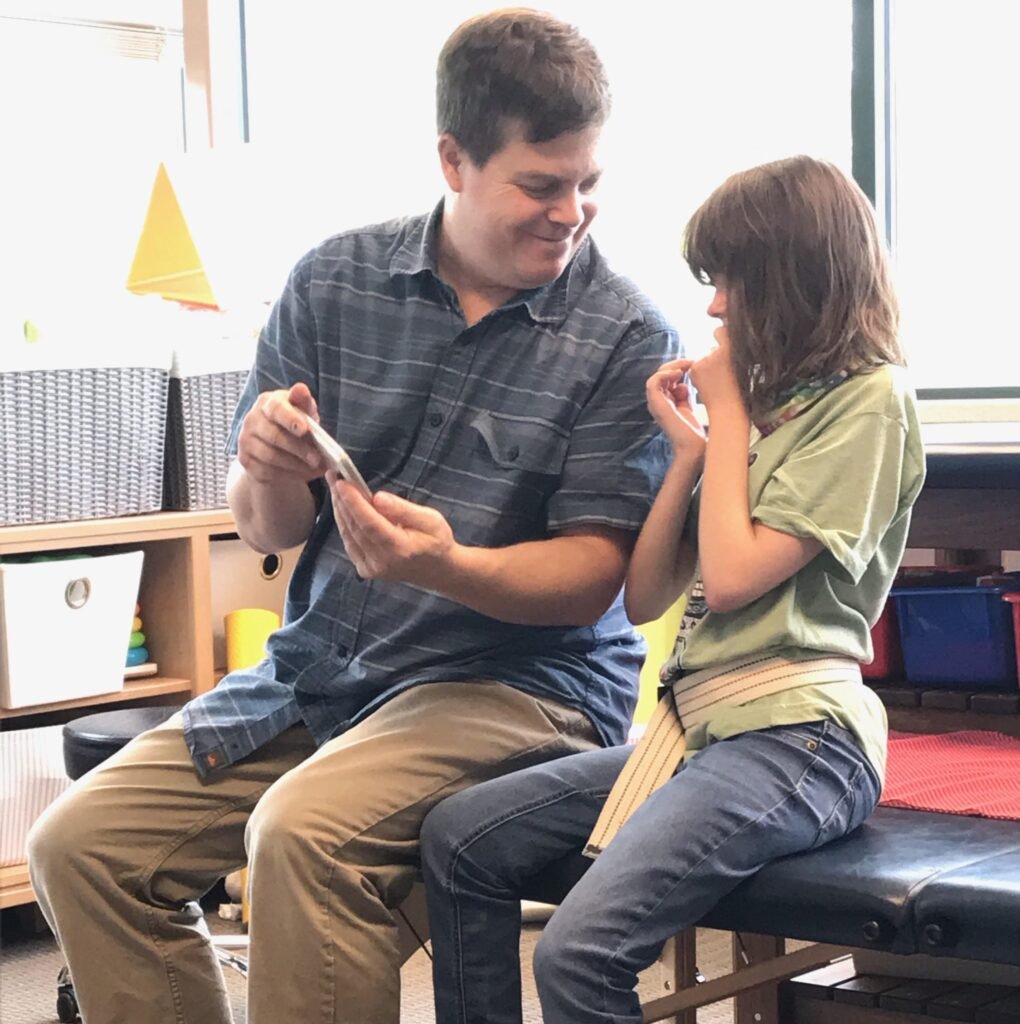
“Cypress’s journey with cerebral palsy shows the power of learning through movement.”
Cerebral Palsy
Children and adults with cerebral palsy often show remarkable adaptability when given the opportunity to explore movement through variation and curiosity.
NeuroMovment® helps reduce habitual muscle tightening and encourages smoother transitions between movements, improving comfort and engagement.
Over time, many experience reduced spasticity, better postural organisation, and greater self-awareness in how they move and interact with their environment.
“Tessa’s story shows the possibilities of recovery after stroke through neuroplastic learning.”
“Dr. Jill Bolte Taylor, neuroscientist and stroke survivor, on the brain’s capacity to rewire itself.”
Stroke Recovery
For adults recovering from stroke, NeuroMovment® provides a pathway for the brain to reconnect and reorganise lost functions.
Instead of forcing repetition of impaired movements, lessons focus on subtle differences that help the brain rebuild connections.
Improvements often include increased stability, reduced effort, greater coordination between both sides of the body, and renewed confidence in everyday movement.
“Tessa’s story shows the possibilities of recovery after stroke through neuroplastic learning.”
“Dr. Jill Bolte Taylor, neuroscientist and stroke survivor, on the brain’s capacity to rewire itself.”
Brain Injury (Traumatic or Acquired)
“Nash’s progress after global brain damage highlights neuroplastic change in action.”
Brain Injury (Traumatic or Acquired)
Each brain injury is unique, but all share one constant — the potential for the brain to change.
NeuroMovement® supports that change by introducing safe, structured variations in movement that stimulate new neural pathways.
Clients frequently report improvements in balance, focus, mobility, and emotional regulation — often rediscovering abilities they thought were lost.
Hypoxic Ischaemic Encephalopathy (HIE)
Children affected by HIE can demonstrate profound responsiveness to this work.
NeuroMovment® engages the child’s brain through gentle, non-invasive movement to help integrate sensory and motor experiences.
Even small gains in comfort, awareness, and coordination can have life-changing effects on quality of life for both child and family.
Hypoxic Ischaemic Encephalopathy (HIE)
What Families and Clients Often Notice
“Cypress’s journey with cerebral palsy shows the power of learning through movement.”
What Families and Clients Often Notice
- Reduced muscle tone and spasticity
- Improved posture and skeletal alignment
- Increased mobility and independence
- Better balance and stability
- Easier breathing and coordination
- A calmer, more regulated nervous system
- Greater engagement and awareness of self
Why NeuroMovment® Feels Different
Families often describe a sense of relief when they first experience this work.
Instead of being asked to push harder or repeat what isn’t yet available, they see their loved one discovering what is possible right now.
“We focus on possibility, not limitation. The goal isn’t to make the body obey — it’s to help the brain learn.”
This shift in perspective transforms not only movement but also relationships, communication, and confidence.
For many, it’s the first time learning feels joyful again.
Our Approach
Our Approach
Every person who visits Connections in Motion begins their journey with NeuroMovement® through one or more of our three core offerings:
Hands-On Lessons, Online Coaching, and Transformational Movement Lessons.
Each approach uses the same 9 Essentials to activate learning and change in the brain — whether through gentle movement, guided awareness, or parent-led interaction.
Together, they form a flexible and holistic way to support learning and transformation for both children and adults.
A New Way Forward
Whether your goal is to help your child sit more comfortably, reduce spasticity, or regain confidence after a stroke, NeuroMovement® offers a path of gentle transformation — one that honours where you are today and builds toward what’s possible tomorrow.
“Every movement is a chance for the brain to learn something new.”